Product Strategy is the science of exclusion.

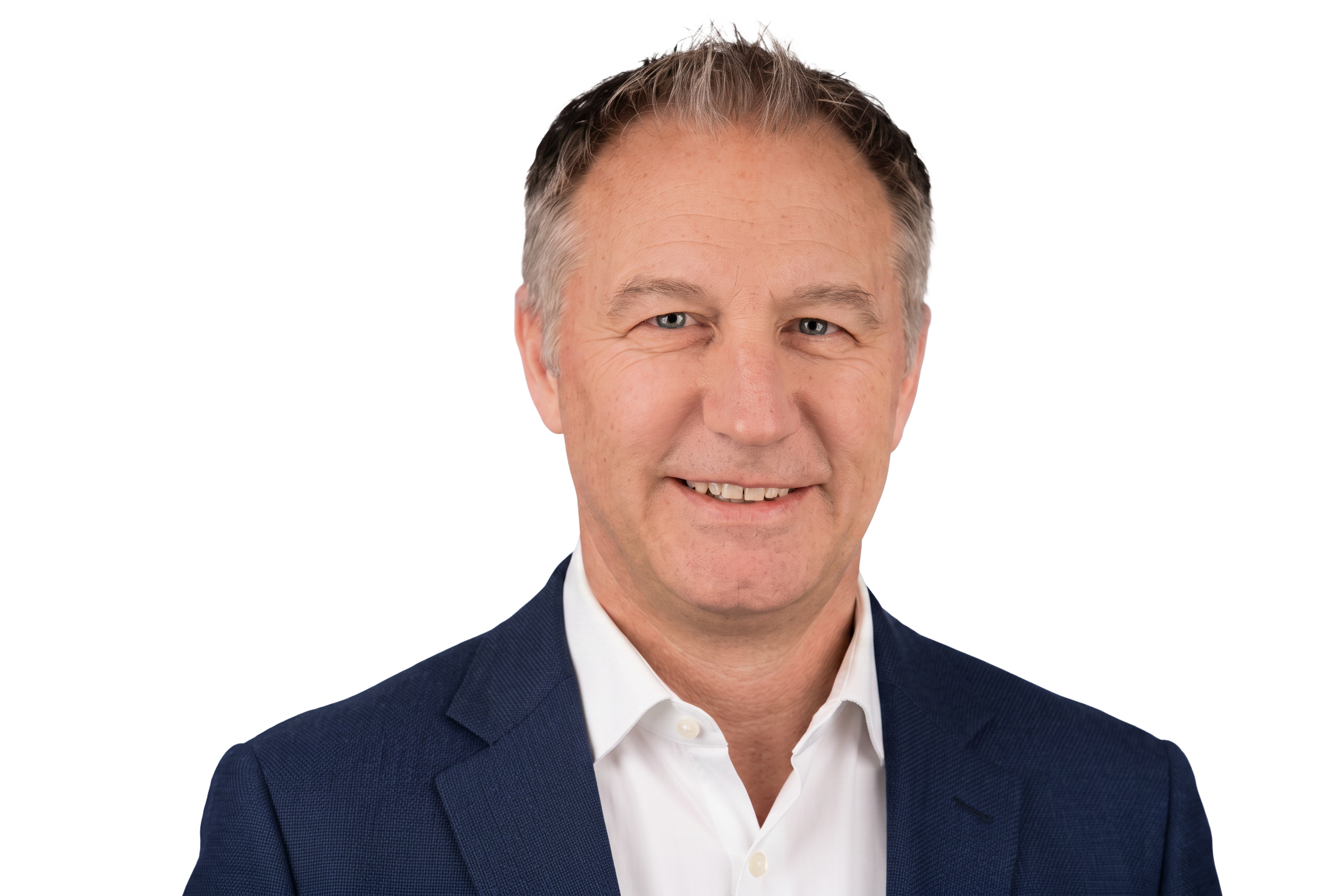
Jon Lawrence

Jon Lawrence is a commercial product executive — 25 years in enterprise vertical SaaS, with full P&L ownership, M&A from underwriting through integration, and a bias toward the few bets customers actually pay for.

Ownership Transitions

3 including one merger

Innovation

2 USPTO patents

Education

Cornell

Governance

PE / Public boards

The Question Most Product Organizations Won't Ask

What do we stop doing so we can invest in what customers actually pay for?

The most common strategic failure is not building the wrong thing — it is trying to build too many things. Customer discovery has always separated leaders who ship features from leaders who build durable advantage. With AI, that gap widens.

Strategic Proof

01

Always Aligned to the P&L

Owned full P&L accountability across product, sales, and services during a multi-year general management assignment. Reallocated $8mm of R&D spend in six months to higher-growth, higher-value outcomes. Owned pricing, packaging, messaging, and sales enablement directly.

Scope

Product, Sales, Delivery, Strategy

Mandate

M&A, GRR, NRR, ARR, EBITDA

02

Three Ownership Models

Led product and strategy under fund-backed private equity, permanent capital, and public-company governance. Each model demands a different time horizon, risk appetite, and capital discipline. The common thread: a clear path to value creation before the check is written and a repeatable operating model after it closes.

Private Equity

Permanent Capital

Public Company

Value Lens

Operating model, not just financial engineering

03

AI as a Commercial Multiplier

AI compounds advantage only when it is built on the right foundation. I rebuild the operating model first — discovery, decision rights, throughput — then enable technology to accelerate and multiply it. The discipline is accelerated discovery and customer alignment before capability. The test: does it bring customer and company value? Is it feasible and viable? Is the customer willing to pay and commit?

Discipline

Accelerated discovery before capability

Test

Value, viability, feasibility, willingness to pay

Outcome

ARR, GRR, NRR, EBITDA Growth

01

Discovery

Accelerated discovery before capability

02

Decision Rights

Explicit starts and stops

03

Throughput

From customer signal to ship

04

Durability

AI compounds the advantage

Operating Principles

  • Concentration Over Coverage

    Spreading R&D evenly across priorities feels fair in a board meeting or an all-hands. It is a strategy for surviving, but not thriving, because its focus is to deliver incremental progress everywhere but lacks breakthrough anywhere. Concentration requires naming what stops, not only what starts.

  • The P&L Is The Product

    Product is a commercial function. It delivers value as measured by the contribution to revenue, retention, and margin. The product team is accountable for generating the return on R&D investment and deserves the same standard a capital committee would apply to any other use of capital.

  • Strategy Is A Place And A Way To Win

    Decide the arena and how to dominate it. Everything downstream — architecture, hiring, sequencing — is a consequence of answering those two questions honestly and in writing.

  • Build The People Who Build

    Direct and matrixed teams, acquired teams, teams inherited mid-turnaround. The real measure of my leadership is how much the organization outperforms me once I step out of the room.

Building products is simple. Building profitable, market-dominant engines around them is the challenge I solve.

I have worked across the capital frameworks that shape how product decisions are made: founder-led, PE-backed, strategic permanent-capital, and public-company governance. Each has a different cadence and risk tolerance. The common thread is the discipline of aligning R&D to the few moves that move the P&L.

I am a critical thinker by instinct and an operator by trade. That combination shows up in two USPTO patents — not as an innovation credential, but as evidence of an instinct to remove friction and accelerate what matters.

The result is not more activity. It is more impact from fewer, higher value, more durable bets.

Background

I have spent my career at the intersection of product, commercial execution, and capital discipline. That has meant leading product and strategy through multiple ownership transitions, standing up new go-to-market motions, and rebuilding teams inherited mid-turnaround.

My default posture is to find what should stop or slow so the organization can accelerate what makes it grow. That requires both patience — to understand the real customer and business problem — and impatience with anything that obscures it.

I am most useful in roles where product is expected to be a commercial engine, not just a delivery function. Where the board and executive team want fewer, better arguments for where capital goes and why customers will pay.